08 / 10
Chapter 8: Larry's Second Chance
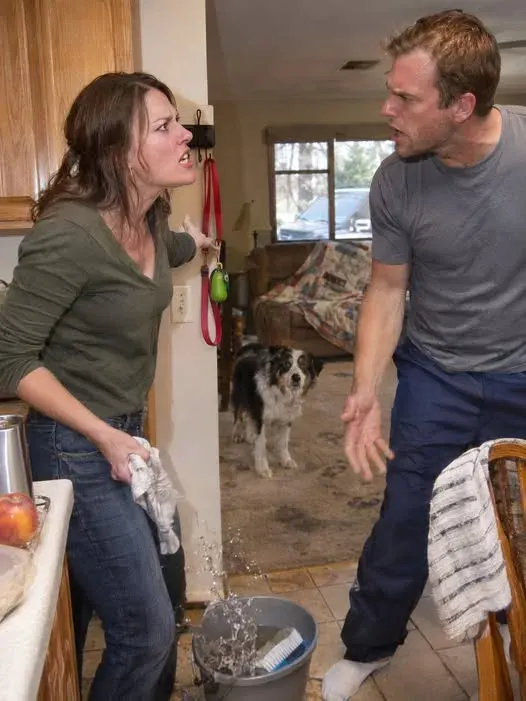
Ben paid all of it within thirty days. The five thousand from the judgment, the six thousand nine hundred and thirty-eight from my demand letter, and the eighteen hundred and sixty for the carpet. Mr. Doyle sent a cashier's check with a one-line letter. I found out later Ben had sold his truck to cover it, and moved into a room in his cousin's basement in Jefferson City.
He also lost his job.
Not because of me. The Board of Nursing's investigation confirmed he'd claimed twenty-four overtime hours he never worked, across two weekends in July, while his badge never once swiped into the building. The hospital terminated him. The Board placed his license on probation for two years, with mandatory reporting to any future employer.
I didn't celebrate. I thought about the woman whose hair he'd washed in a plastic basin, and I felt something closer to grief. He had been good at the job. He'd just been better at lying.
Tessa got her three thousand back too, eventually, after she sent a demand letter on my lawyer's template. She texted me a photo of the check with a single word: Thanks.
Then: How's Larry?
I sent her a picture. Larry, asleep on the couch on top of my old quilt, all four paws twitching.
That was the thing nobody expected, least of all me. The day I came home, standing in that ruined living room, I had told Ben that Larry needed another home. I'd believed it. I thought I couldn't do it alone—the five-forty walks, the vet visits, the working-dog energy in a small house with a small yard.
Then I actually did it alone, and I realized I'd been doing it alone since May.
The only difference now was that nobody was undoing it behind my back.
I signed Larry up for an agility class at a training barn outside Ashland, on Saturday mornings. The instructor, a wiry woman named Bev with a gray braid and a whistle, took one look at him and said, "Oh, he's a worker. He's been bored out of his mind, hasn't he?"
"Probably," I said.
"Dogs like this don't do well with people who only love them on weekends," Bev said. "They need a job. They need somebody who shows up."
By October, Larry could run the entire course—tunnel, weave poles, teeter—in under forty seconds. He looked back at me at every obstacle, checking, waiting for the next word. Bev said she'd never seen a dog watch someone's face so closely.
On weekday mornings, we kept taking the long way past the ball field, through the gap in the trees where you can watch the sun come up over the batting cages. Mrs. Bell started joining us twice a week with her new hip, walking slow, telling me gossip about every house on Garth Avenue.
"That Carter boy," she said one morning, "I knew from the first week. He never once looked at that dog when he was talking to him. You can tell everything about a man by whether he looks at a dog when he talks to it."
"Why didn't you tell me?"
"Would you have listened?"
I thought about the peaches on the seat of my car, the dinners left warming on the stove. "No."
"There you go," she said, and handed Larry a biscuit out of her coat pocket.