08 / 10
Chapter 8: What I Owed
The district attorney's office filled three floors of a concrete building near the courthouse, and the conference room they gave us had no windows at all.
Deputy District Attorney Ruth Calderón was a compact woman in her fifties with a gray braid and a legal pad already full of notes. Across from her sat Julian's attorney, a smooth, expensive man named Preston Vogel, who smiled at me as if we were old friends.
Julian wasn't there. He had made bail the previous Thursday and had been advised, very firmly, to stay as far away from me as Colorado allowed.
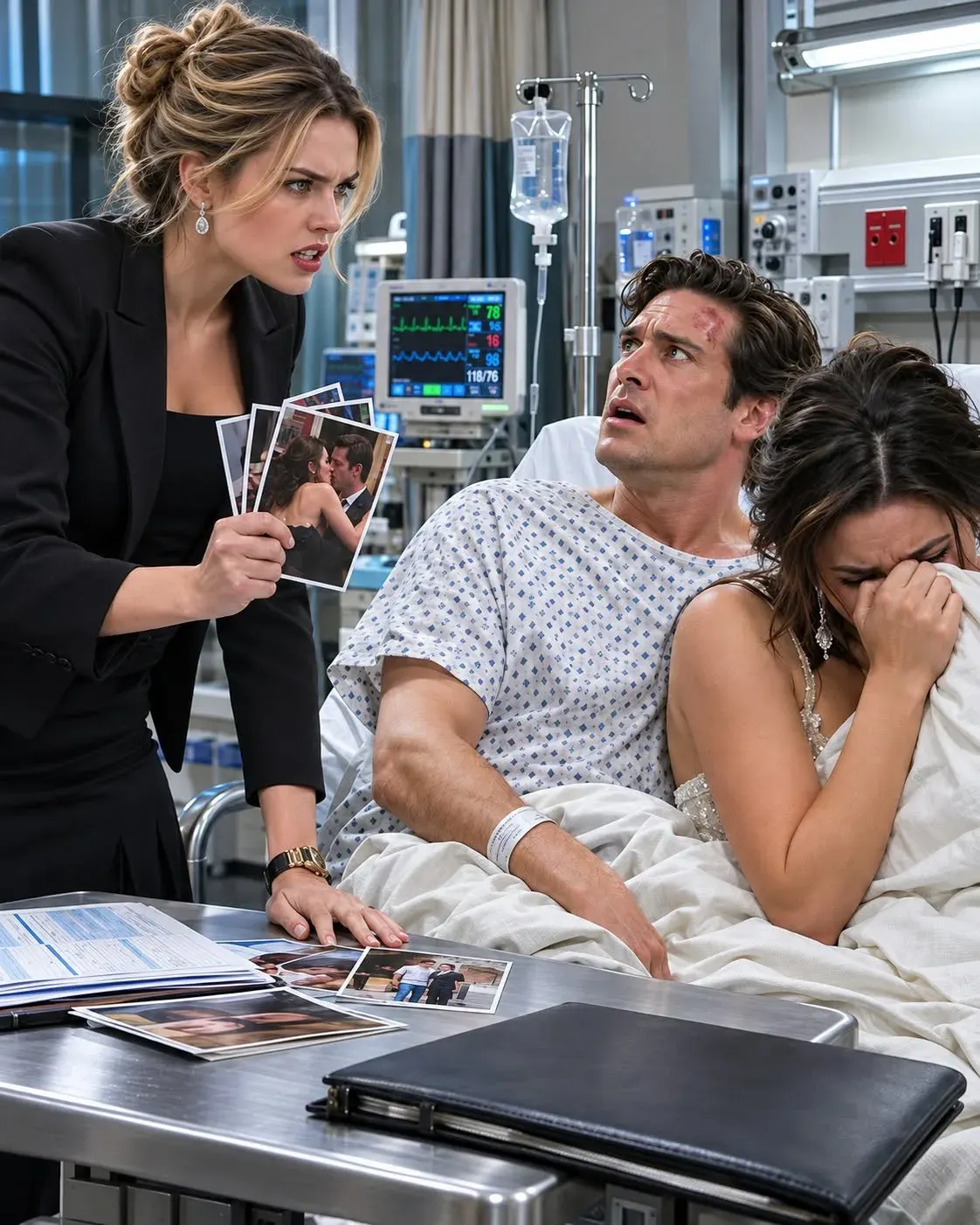
"Mrs. Ashford, your statement at the hospital was unusually complete," Calderón began, tapping Officer Kowalski's report. "You admitted tampering with a container you knew would likely come into contact with your husband's skin, and both he and Ms. Vance required treatment."
"I know," I said. "I'm not here to argue that I didn't do it."
Vogel leaned forward, still smiling. "My client is a compassionate man," he said. "He's willing to tell the district attorney he doesn't wish to see his wife prosecuted—if she reconsiders her cooperation in the extortion case and acknowledges that the documents from his safe were taken unlawfully."
The room fell silent. Beside me, Nadia's pen stopped moving.
It was the oldest trick in Julian's book—hand me an easy way out, as long as I paid for it with the truth. Fourteen months earlier, exhausted and grieving, I might have taken it.
"No," I said.
Vogel's smile thinned. "Mrs. Ashford, I don't think you understand what you're—"
"I understand perfectly," I said, turning to the deputy district attorney. "I'd like to plead guilty to whatever charge you believe is fair. And I'd like my husband's offer noted in your file, since I believe that's called witness tampering."
Calderón looked at Vogel over the top of her glasses. Then she wrote something on her legal pad and underlined it twice.
"Noted," she said. "Mr. Vogel, I think we're done with you today."
When he had gone, she offered me a deferred judgment on a misdemeanor charge—restitution for both sets of medical bills, one hundred fifty hours of community service, a year of counseling, and a clean record if I completed all of it.
"Most people in your chair try to explain why it wasn't their fault," she said, closing the folder. "You just told me what you owed."
I signed that afternoon.
Walking out of that windowless building, I expected to feel ashamed. Instead, I felt lighter than I had in fourteen months, as if I had finally set down something I had been carrying in both arms.
In the weeks that followed, the rest of Julian's plan came apart one thread at a time. Calloway Freight Partners fired the executive who had signed the side letter and handed every email to Detective Price, and the four hundred thousand dollars came back to Vance Global with a lawyer's apology attached.
Julian was charged with extortion, theft, and attempting to influence a witness. My divorce petition was filed the same week, and because my shares had been a gift, they remained entirely and permanently mine.
Serena stayed at her sister's in Littleton and testified before a grand jury in April. She and Brandon met twice with a counselor and then agreed, sadly and without shouting, to divorce.
"I thought I'd hate her," Brandon told me one night on Dad's porch, turning a bottle of root beer in his hands. "Mostly, I just feel sorry for both of us."
I clinked my bottle against his, and we sat there listening to the sprinklers tick across Dad's lawn until the streetlights came on.
My father started a new medication in May and joined a boxing class for people with Parkinson's at a gym in Englewood. He came home from the first session sore, sweaty, and grinning like a teenager, and he made Brandon and me watch a video of him hitting a punching bag three times in a row.
One Sunday in late May, after dinner, he disappeared into his study and came back with a pale blue envelope I recognized at once—my mother's stationery.
"She wrote this the winter before she died, when the doctors first worried about her blood pressure," Dad said, setting it in my hands. "She told me to give it to you if you ever forgot who you were, and I should have given it to you a year ago."