10 / 10
Chapter 10: Make It Look Like Dad's Hands
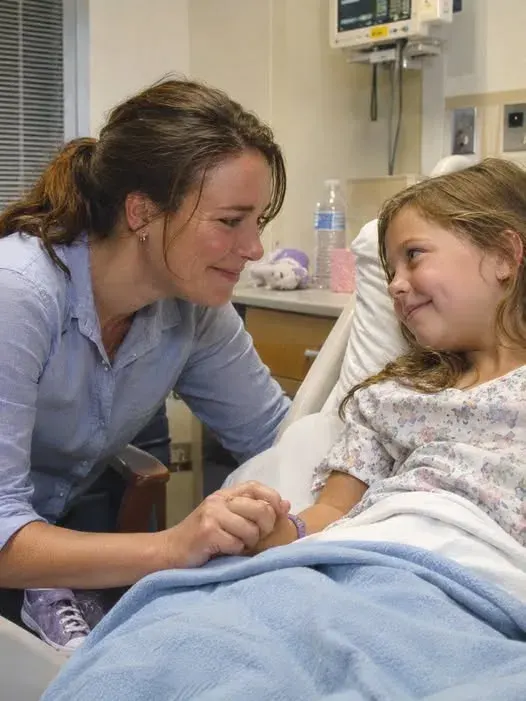
I never went back to Doyle's, because there was no Doyle's to go back to. But I did go back to work.
Remember the payments that kept showing up in the wrong place, the ones I'd been tracking that Friday when Jenna called? I finally presented them in October. The hospital had been overbilling families of children in the ICU for duplicate pharmacy charges, a software error that had quietly cost hundreds of parents thousands of dollars each. I knew because I'd seen the duplicate on Hazel's own bill and recognized the pattern from my spreadsheet.
The hospital refunded every family. One point four million dollars. My department director shook my hand and gave me a promotion, and a woman whose son had been in the bed next to Hazel's sent me a card that said, You noticed. Thank you for noticing.
That was the thing, I realized. I had always noticed. I noticed the bartender's voids. I noticed the pattern in the bills. I noticed my family only called when they needed something counted. The only thing I'd never done was say out loud what I saw, because in my family, saying it out loud was making a scene.
I make scenes now. Small ones, mostly. At work. At school pickup. At the kitchen table.
My mother and I have dinner on Sundays. She brings a pie. She asks about Hazel's medicine schedule and actually listens to the answer. She volunteers on Thursday nights with a group that drives people home from bars in Montgomery County, no questions asked, no charge. She says she owes the road about thirty years of rides.
Dad drives with her. He wears a gray shirt with nothing printed on it.
Travis sends Hazel a birthday card every year. It always says the same thing. Happy birthday, kiddo. I'm sorry. Hazel reads it and puts it in a shoebox in her closet. She says she's keeping them until she decides what she thinks. I tell her that's allowed.
Lorraine turned seventy-two in May. We threw her a party in my backyard. Hazel made her a crown out of construction paper and declared her the Queen of Sitting on the Floor, and Lorraine wore it all afternoon.
And on the side of my garage, facing the street, hangs a sign.
It's the same tap handle, the same shape I drew at nineteen. But the sign painter and I changed the letter. Where the curly D used to be, there's a curly H. Beneath it, in small, careful letters, it says: Hazel's Place. Everyone Gets Home.
My daughter is eight now. She has a scar across her stomach that she calls her zipper, and she shows it to anyone who'll stand still. She takes her medicine without complaining. She rides in the middle seat.
Last week, she asked me why I'd kept the old sign instead of throwing it away.
I thought about the napkin in my desk drawer. About the note I'd written in the corner at nineteen, the one I'd forgotten until Dad dug it out of the trash. Make it look like Dad's hands.
"Because I drew it for a family I thought would always take care of each other," I told her. "It turned out I was the one who had to do that. So I made it ours."
She thought about it, nodded once, and went back to coloring.
My mother once told me to stop seeking attention. She was wrong about what I was seeking. I wasn't asking anyone to look at me. I was asking them to look at her. And in the end, everyone did.


