09 / 10
Chapter 9: The Last Box In Queens
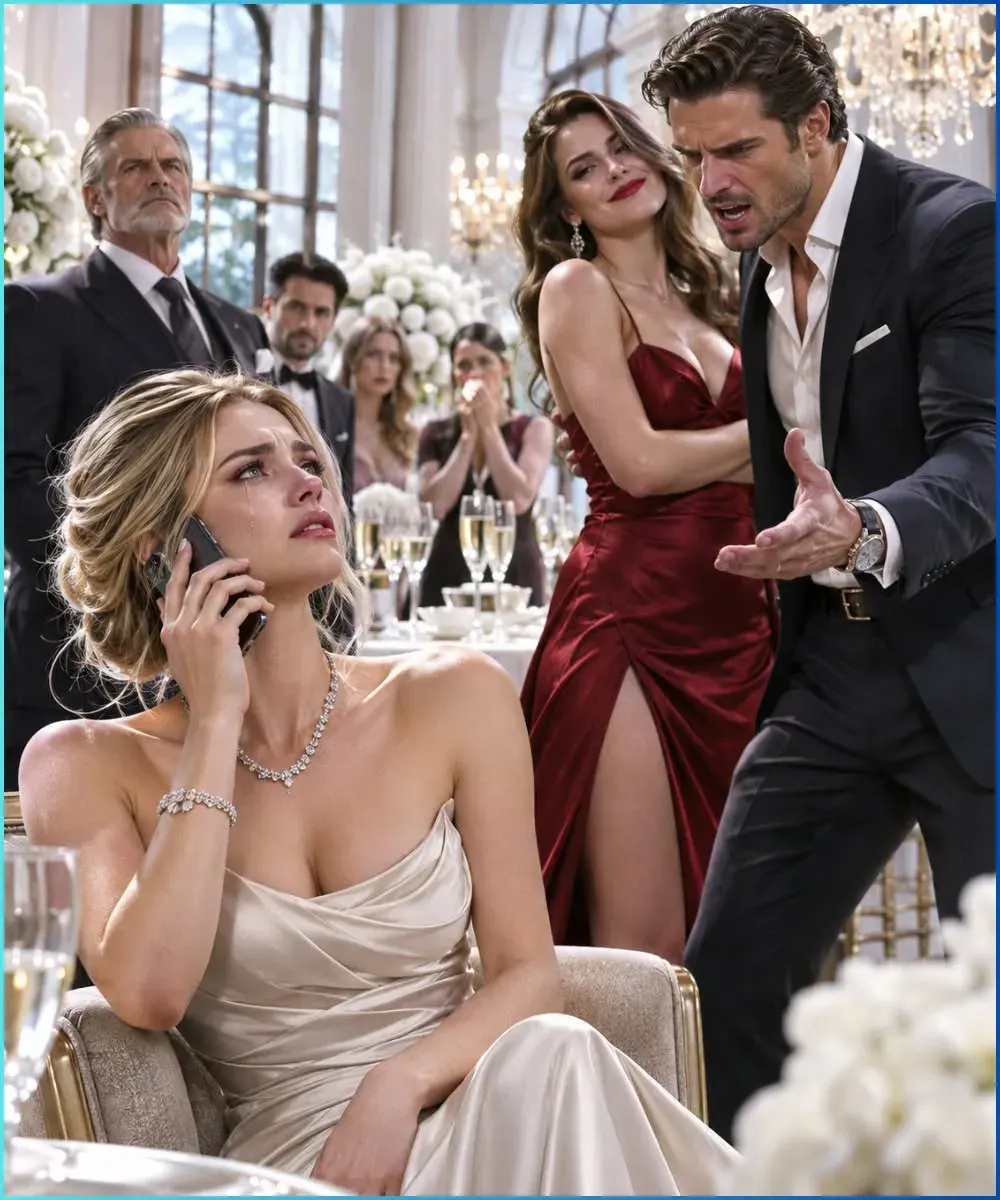
A week before Christmas, I went back to Astoria one last time for the final box.
It held the things I couldn't bring myself to throw away or carry to East Seventy-First Street—our wedding program from the little church in Connecticut, a stack of birthday cards, and the chipped mug from our first Christmas. On top lay a Polaroid from our housewarming party, Ryan holding a paper crown over my head while I laughed so hard my eyes were closed.
Thomas waited downstairs with the engine running while I climbed the four flights.
Ryan was sitting on the couch in sweatpants and an old college T-shirt, unshaven, surrounded by takeout containers. He looked up when I came in, and for a moment neither of us said anything.
"Vanessa's gone," he said finally. "Moved to Chicago. She says I ruined her career."
I didn't answer. I picked up the box from the corner where I'd left it.
"My lawyer says I have no claim to anything of yours," he went on, with a short, bitter laugh. "Turns out you can't take half of something your wife never touched."
"I never wanted any of it, Ryan," I said. "I wanted us."
He told me he was sorry. He said he had gotten lost—that the money and the meetings and Vanessa's attention had felt like proof he finally mattered—and I believed he meant every word.
Then, because he was still Ryan, he asked whether I might put in a word with Daniel about a consulting role. I didn't answer that, and after a moment, he had the grace to look ashamed.
He stood up, and just then he looked less like a CEO and more like the young man in scuffed sneakers I'd met in Brooklyn.
"Were you ever going to tell me?" he asked. "Who you really were?"
I set the box back down. Then I opened my clutch—the same one I'd carried to our anniversary dinner—and took out the envelope that had been sitting inside it that whole night.
It was the trust attorneys' letter from October. Stuck to the front was a pale yellow note in my own handwriting.
Happy anniversary, it said. There's something I should have told you years ago, and I don't want to decide this without you.
I watched him read it twice. His face crumpled, piece by piece, the way a building comes down when the right support is removed.
"You were going to tell me that night," he said hoarsely. "Over dessert."
"I was going to ask you whether I should take the chair," I said. "I wanted to build it with you, Ryan, the same way I helped build Lattice."
He sank back onto the couch with the letter in his hands. "I could have had all of it," he said, almost to himself.
"You had me," I said. "That was the whole thing."
I took back the letter, lifted the chipped mug out of the box, and set it on the kitchen counter beside my apartment keys. Some things are lighter when you stop carrying them.
At the door, I stopped and looked back at him once. "I hope you become someone you can respect someday," I said, and I meant it more kindly than he would ever understand.
Then I picked up the box and walked down four flights of stairs for the last time.
When I pushed open the building's front door, the sedan was waiting at the curb, but Thomas wasn't the only one in it. The rear door opened, and my father climbed out onto the cracked sidewalk of Thirty-First Street, leaning on his cane against the wind.
He had not set foot in Queens in thirty years. He stood looking up at the fourth-floor window, his breath clouding in the cold.
"Your mother and I lived in a walk-up just like this on the Lower East Side for our first two years," he said. "She always swore she was happier there than in any house I ever bought her."
I laughed through the tears stinging my eyes. "She was right."
"She usually was," he said, and he hooked his cane over his wrist and took the box from my arms before I could protest, his left hand trembling under its weight. "Come on, sweetheart—I thought you might need help carrying things home."