10 / 10
Chapter 10: A Year Later
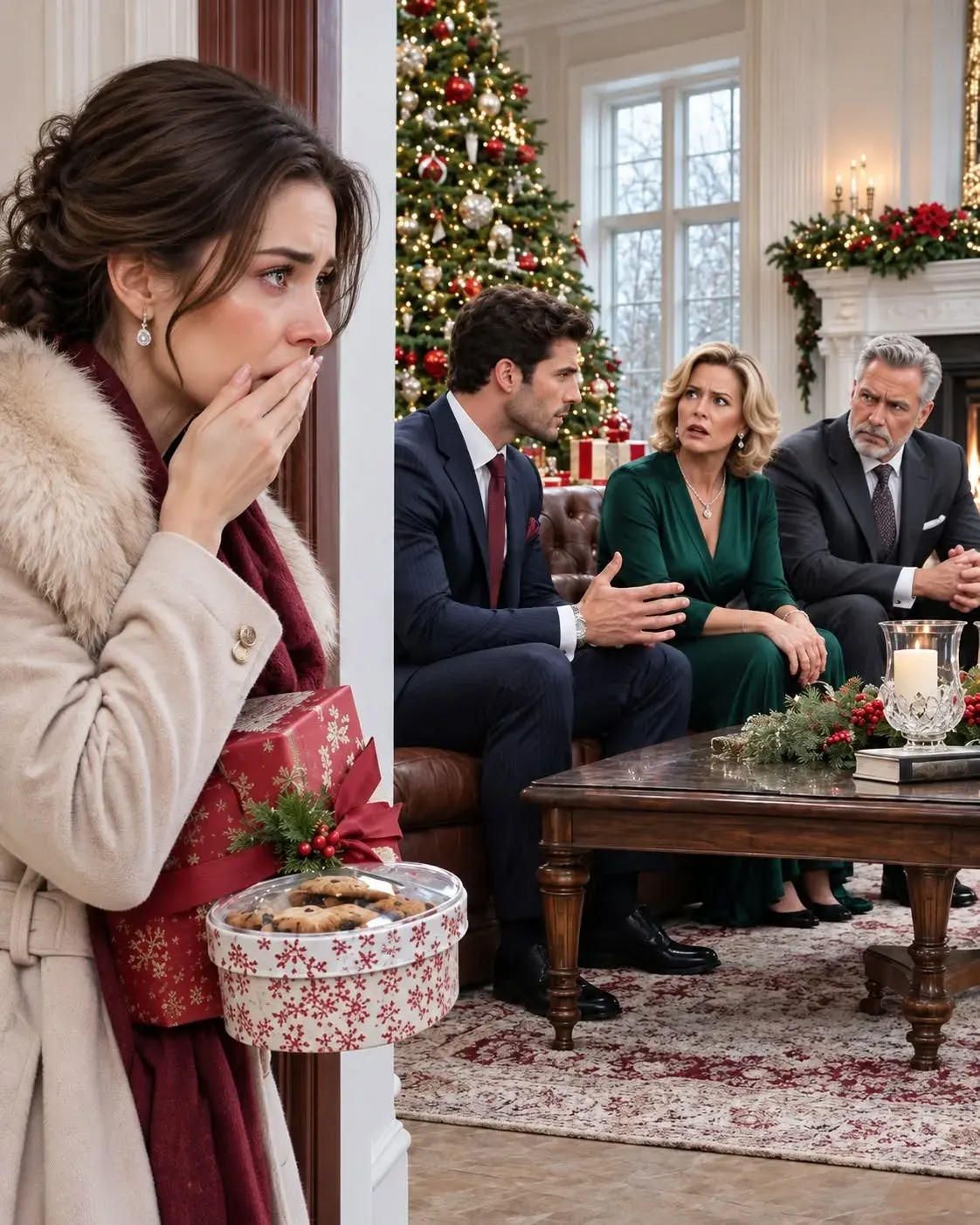
The following Christmas afternoon, my yellow kitchen smelled like cardamom bread, roasting prime rib and the almond snowflake cookies cooling on the counter beside the same tin I had carried into my in-laws' hallway twelve months earlier.
Snow was falling past the window over my sink, fat and slow, and the radio was playing carols I sang along to badly. At two o'clock sharp, I heard a key turn in the front door.
"We're early," Darlene called from the hallway, stamping her boots on my mat, a roasting pan in her arms. "I hope that's all right."
"Early is my favorite," I called back, and I meant it more than she could know.
I had given her a key the day I moved in. She had tried to refuse it, and I had pressed it into her palm and reminded her of something she once told me—family doesn't knock.
Ron came in behind her with a bag of presents and snow in his beard, and he kissed my cheek before heading straight for the coffee pot as if he'd lived there for years. Darlene pulled out her phone before she even took off her coat.
"Look," she said, beaming. "Brooke sent new pictures this morning."
Hazel Sorensen-Brandt was nearly four months old, round-cheeked and furious about a Santa hat. Brooke had mailed me a Christmas card with that same photo, and it was already on my refrigerator, because some stories end better than they start.
Curtis spends most weekends in Duluth now, learning how to change diapers and how to be the kind of man his daughter will need. Darlene says he has stopped making excuses, and Ron says he'll believe it in a few years, and I think they're both probably right.
I don't hate him anymore. Somewhere between the binder and the paintbrush, I simply stopped carrying him around.
Darlene and I cooked side by side for two hours after that, her potato gratin and my cardamom bread, bumping hips at the stove and arguing over how much nutmeg was too much. It felt like every Christmas we'd ever spent together, except this time nobody in the house was pretending.
That spring, Northbridge Mutual made me director of audits. And in June, I finally let Eli Navarro cook me that dinner—chicken mole from his grandmother's recipe, served on my back steps under the lilac—and we have been together ever since.
At four, Eli arrived with a casserole dish of his grandmother's tamales and a bottle of cider. He kissed my temple on his way past the stove, stole a snowflake cookie off the rack, and within ten minutes, he and Ron were arguing happily about football at my kitchen table while Darlene slipped me a look that clearly meant she approved.
Dinner was loud and warm and nothing like a performance. Ron said grace again, and this time his voice didn't catch anywhere.
Then he raised his glass toward the yellow cabinets. "To the truth," he said. "It always costs less in the end."
"And to June," Darlene added, looking at me.
After pie, Ron handed me a flat package wrapped in red paper. Inside was a leather-bound journal, the twin of the one I had set in his lap a year earlier, except that the gold initials stamped on the cover were mine.
"I never wrote a word in the other one," he said gruffly. "Somebody in this family ought to write the whole story down, and I think it should be the one who tells it straight."
After the dishes were done, I stood alone at my kitchen window for a moment, touching one of Grandma June's pearls while the snow kept falling over Como Park. In the next room, Eli was teaching Darlene a card game, and Ron was losing it on purpose.
A year ago, I stood behind a doorframe and heard my husband call me independent, as if it were the reason I didn't need to be loved. He was right about one thing—I was independent—but I hadn't yet learned what an independent woman could build once she stopped waiting for permission.
Grandma June told me to make sure my knees would hold me before I answered anything hard. They held, and when they did, I built the yellow kitchen she always wanted for me—and filled it, at last, with people who never make me wonder what they're hiding.