08 / 10
Chapter 8: Mediation Room B
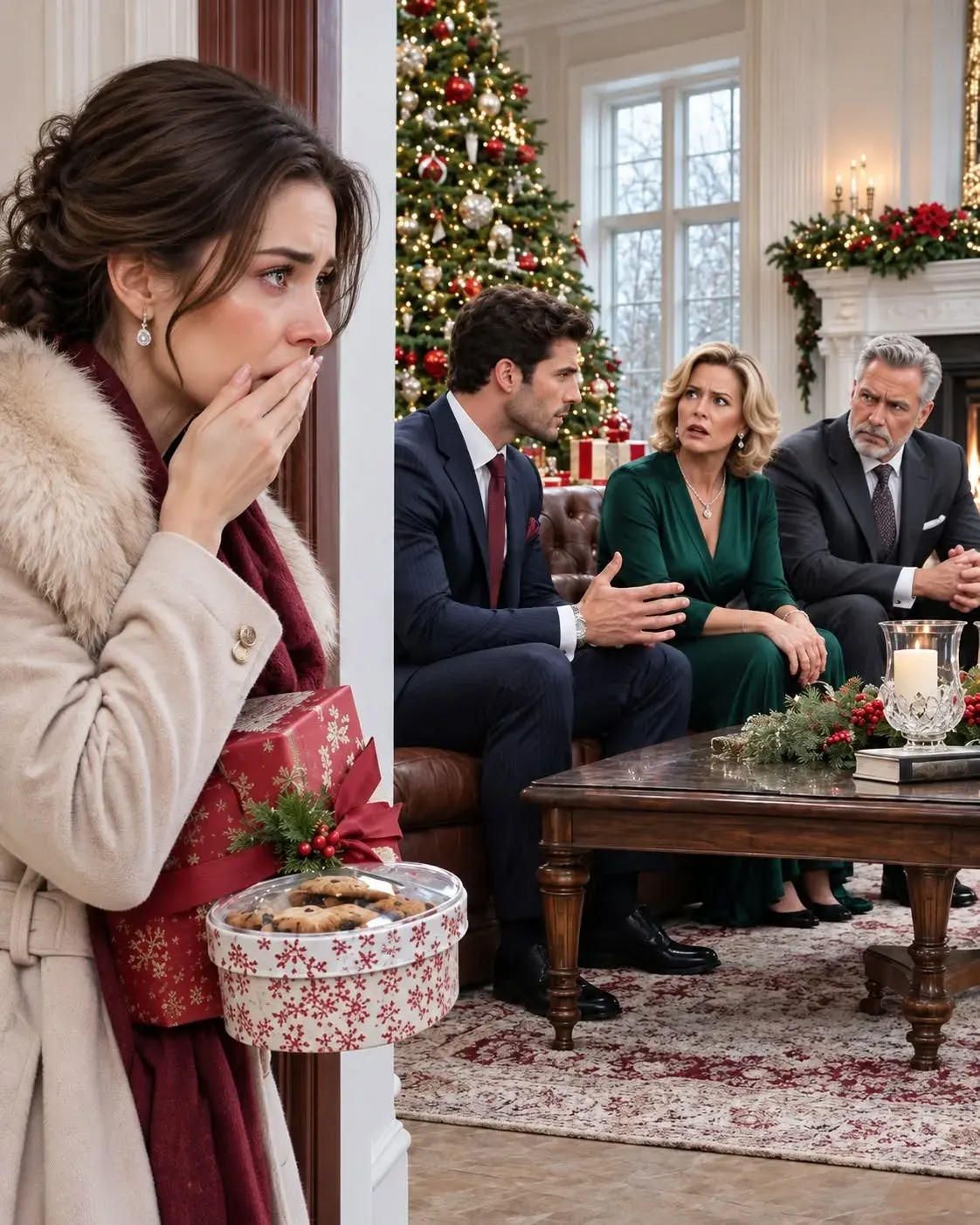
Brooke kept her word. By the end of that week, she had given Monica every statement from the account ending in 0917, a sworn statement of her own, and every text Curtis had ever sent her about his grandmother's money.
Ron and Darlene signed their statements at a notary's office on a Wednesday afternoon. Darlene told me later that Ron's hand didn't shake once, but that he sat in the car for twenty minutes afterward before he could drive.
Curtis hired a lawyer named Grant Pellman, who wore cufflinks shaped like tiny gold anchors and wrote letters that always began, "My client is disappointed." For three weeks, those letters argued that the transfers were an investment in a family residence, that June's inheritance had blended into marital money long ago, and that I was the one hiding assets because I'd moved my paycheck into an account in my own name.
The mediation took place on the last Thursday of January, in a conference room on the fourteenth floor of a downtown St. Paul office tower overlooking the frozen Mississippi. The mediator was a retired judge named Eleanor Voss, a small woman in a gray cardigan who listened with her chin resting on one hand.
Curtis sat across from me in his navy pinstripe suit. He didn't look at me once.
Pellman went first, and he was smooth. His client had made personal mistakes, he conceded, but the money had been spent toward a home, homes were assets, and the inheritance had been deposited into a joint account, which made it a gift to the marriage.
I sat with my hands folded on the table and felt my face burn. Under the table, Monica tapped my shoe once with hers, the way a coach signals a runner to wait.
Then Monica opened my binder.
She laid out the estate check made out to Tessa June Brandt alone, the deposit receipt, and June's handwritten note. She walked Judge Voss through my tracing spreadsheet line by line, showing the month the marital savings ran dry and whose money had paid for everything after that.
Next came Brooke's statement, and the text about the grandmother who wanted Curtis to have a yellow kitchen. Pellman read it, and a muscle in his jaw jumped.
Finally, Monica slid two more pages across the polished table. "Sworn statements," she said, "from Ronald and Darlene Brandt."
Curtis finally looked up. He read his father's signature at the bottom of the page, and then his mother's, and I watched the confidence drain out of him like water from a cracked glass.
"They wouldn't," he said hoarsely.
"They did," Monica said. "Your father states that in November, you told him the down payment was for a surprise home for your wife, and your mother states that you planned to have Mrs. Brandt sign away a savings account without knowing it was empty."
Judge Voss took off her reading glasses and folded them. "Mr. Pellman, I'll be candid, because it will save your client a great deal of money," she said. "If this goes to a courtroom, any judge in this county will find dissipation, and nobody is going to be gentle about that inheritance."
Pellman asked for a break. They were gone for forty minutes.
When they came back, Curtis signed a settlement. Every dollar of Grandma June's forty thousand would come back to me first, before anything else was divided, and the hotel rooms, the jewelry, and the five-thousand-dollar earnest money he had forfeited on Larkspur Court would all be charged against his half.
The townhouse would be sold and the equity split. By the time the arithmetic was finished, I would walk away with every cent that had ever been mine.
In the elevator lobby afterward, Curtis stopped beside me with his overcoat folded over one arm and asked, "Was it worth it, Tess—turning my own parents against me?"
"You did that on Christmas afternoon," I said. "All I did was stop you from buying a house with my grandmother's money."
The elevator doors opened, and he stepped inside without another word.
My phone buzzed in my coat pocket before I reached my car. It was Darlene, and I braced myself, because she had every right to be heartbroken over what she had just done to her son.
"Ron and I want you at Sunday dinner, five o'clock, same as always," she had written. "You're still our family, and family doesn't knock."