07 / 10
Chapter 7: Peace That Costs One Person
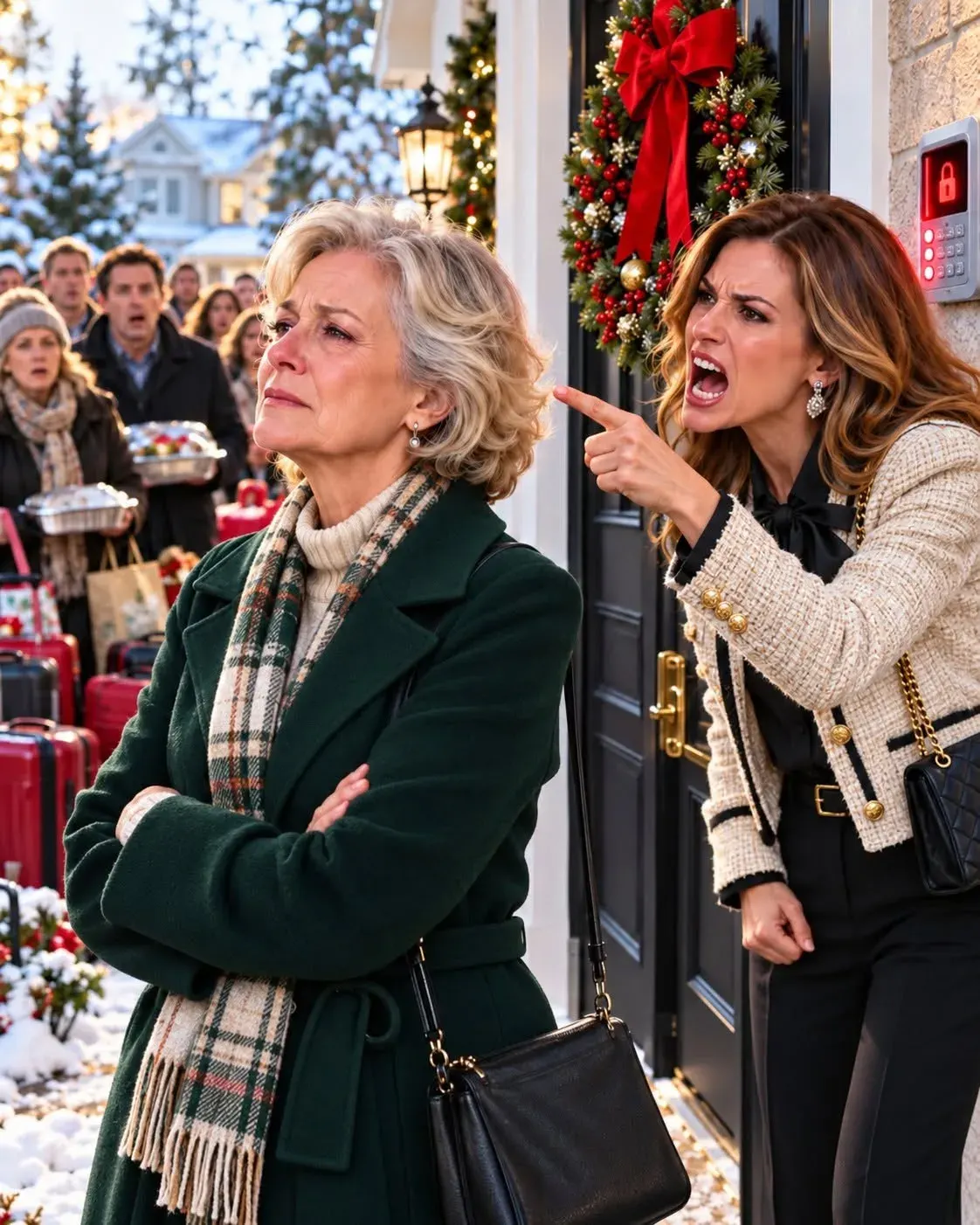
I let him in. He sat on the edge of the pullout couch in my tiny den, still in his coat, while I stood in the doorway with my arms folded.
"Melissa had a friend draw up the paperwork in August," he said, turning the letter over in his hands. "The plan was to sit you down after New Year's and call it estate planning—avoid probate, keep things simple—and then, once the house was in our names, talk you into Willow Bend by spring."
"And you agreed to that," I said.
"I didn't say no." He winced at his own words. "I told myself it was smart planning, and that you'd be happier somewhere without stairs."
I sat down across from him, because my knees had stopped cooperating. "You were going to move me out of my own home with a brochure."
He nodded, and couldn't look at me while he did it.
Then he told me the rest. Melissa's event-planning business had folded nearly two years earlier, leaving nearly forty thousand dollars of credit card debt she had hidden from him, and her father's check had paid off part of it.
"She told her family we owned the house because her mother keeps score," Daniel said wearily. "Brooke married an orthodontist and has a lake house in Michigan, and Melissa has been losing to Brooke since kindergarten."
"She told me all of it at three in the morning in a motel parking lot," he added. "Her parents drove home to Indianapolis without saying goodbye to her."
"I'm sorry, Danny," I said, and I was sure of it.
"But that isn't why I came." He looked up at me at last, and he looked so much like his father that it hurt. "I came because I finally asked myself why I let her do it."
He told me about the nights after Michael died, when he would lie awake and hear me crying through the bathroom door with the faucet running to cover it. He had decided, at nine years old, that the most useful thing he could do was never cause trouble and keep everyone calm, so nobody would cry.
"When Melissa got upset, I did the same thing—I made it stop, the fastest way I knew," he said, his voice cracking. "And the fastest way was always you, Mom, because you never left."
I reached across and took his cold hands in mine. "Peace that costs only one person isn't peace, sweetheart," I said. "It's just a bill somebody else keeps paying."
He bent his head over our hands. "Aunt Carol called and yelled at me for an hour yesterday," he said thickly. "She told me about the crackers, and the eighth-grade trip to Washington—was that true?"
"Only for a month," I said. "You came home with a plastic Lincoln Memorial and told me it was the best week of your life, and it was worth every cracker."
My grown son put his face in his hands and cried the way he had cried on the third stair when he was nine, and I held him until the church bells on Larkspur Street started ringing midnight. Somewhere over the river, fireworks cracked and bloomed against the snow clouds.
When he finally sat up, he took out his phone. "Can I show you something before I send it?" he asked.
It was a reply under Melissa's post, written in his own name. "My mother told us two weeks before Christmas that she would not be hosting, and we didn't listen," it read. "She raised me alone on two jobs and kept that house for twenty-nine years because I begged her to when I was a little boy—she didn't abandon anybody, we stopped seeing her."
Underneath, he had added three more words: "Mom, I'm sorry."
I nodded once, because I couldn't speak, and he pressed send at one minute past midnight.
He slept on the old pullout couch the movers had hauled over from Hawthorne Lane, broken spring and all, and neither of us missed the irony. At seven-fifteen on New Year's morning, my phone rang with a number I didn't recognize.
"Mrs. Callahan? This is Jenna Alvarez," a young woman said nervously. "I'm so sorry to bother you on a holiday, but I found something in the pantry, and I don't think I'm allowed to paint over it."