09 / 10
Chapter 9: What Courage Looks Like
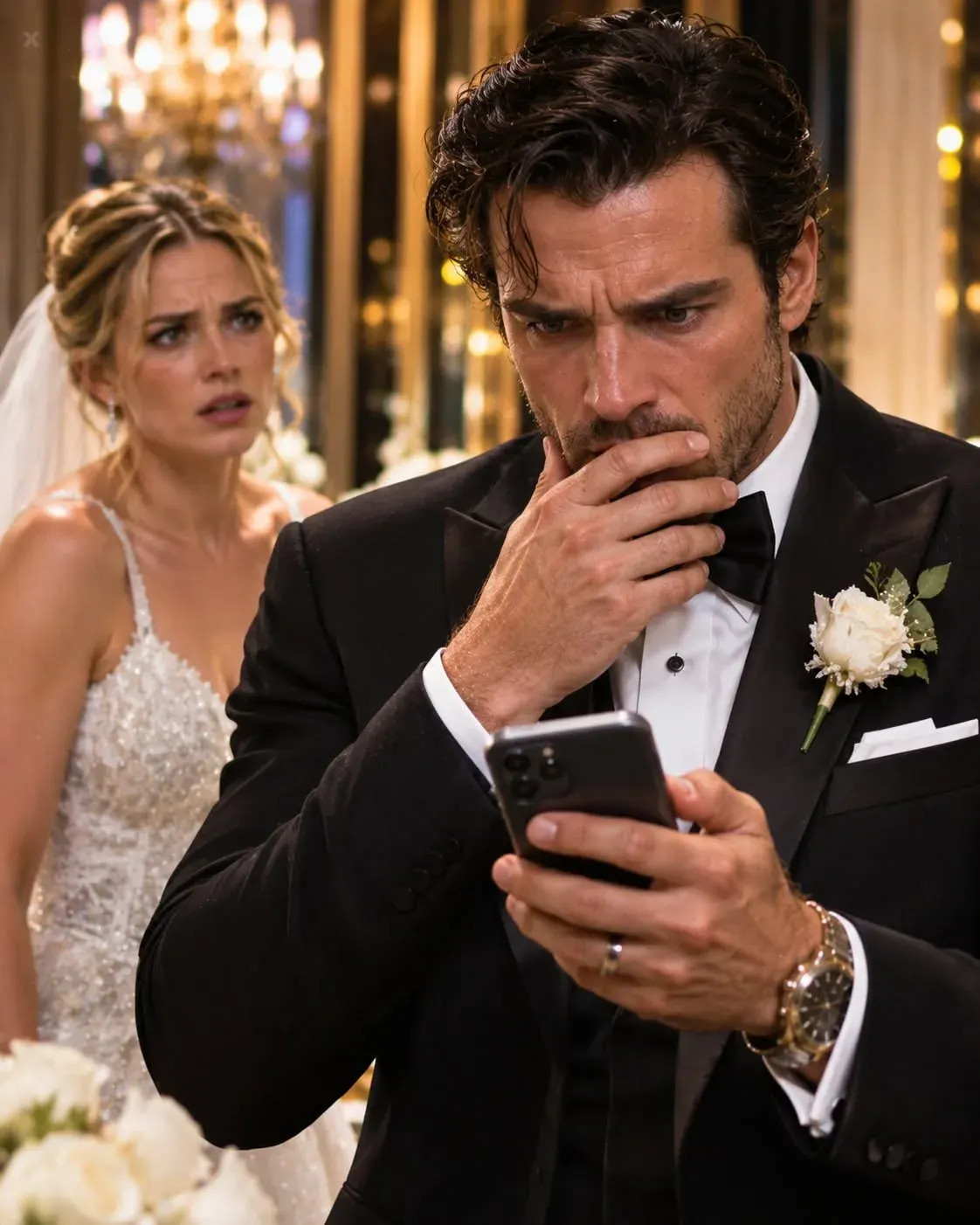
I stared at that photograph for the entire ride from Providence to New Haven. I had expected to see a heartbroken woman in it, but the bride on my screen didn't look heartbroken—she looked like someone who had just picked up a heavy box she had been carrying for someone else and set it down.
It took me three days to answer Owen. When I finally did, I thanked him and asked whether he always sent clients pictures from weddings that never happened.
Only the ones who walk out with their chin up, he wrote back. You told me you were leaving, and I thought you might want proof that you did.
We met for coffee at a café near Washington Square in early January, on the kind of bitter afternoon when everybody in New York walks with their shoulders up. He arrived with snow in his hair and two cups already ordered, because he had remembered, from a single conversation about my wedding cake, that I hated hazelnut.
He was thirty-four, from Albany, and he had photographed more than two hundred weddings. He told me he had learned to read couples in the first five minutes of any shoot.
"What did you read on us?" I asked.
"That he never once looked at you when he thought nobody was watching," Owen said gently. "And that you kept looking at him like you were trying to solve something."
I didn't fall in love with him that afternoon. I had just pulled a diamond off my finger, and I wasn't ready to give anyone the keys to anything.
But I went back the following Saturday, and the Saturday after that. Owen never pushed, never promised, and never once told me what I wanted to hear when it wasn't true.
On our fourth Saturday, we walked along the Hudson in a cold wind, watching the ferries cut white lines across the gray water. I finally asked him the question I had been carrying since December.
"Why did you lower your camera?" I asked. "At the first look, before I even took off the ring."
Owen was quiet for a few steps, his hands deep in his coat pockets. "Because some moments belong to the people living them," he said. "My job is to notice which ones."
That night, in Priya's spare room, I finally let myself cry properly—not for Grayson, but for the woman who had believed him. Then I washed my face, set my alarm, and went to work in the morning feeling lighter than I had in a year and a half.
In February, Ruth called me into her office, closed the door, and slid a thick envelope across her desk between the peppermints. Inside was an application to the evening program at a law school in Manhattan, already partially filled out in her slanted handwriting.
"You found a secret marriage record before lunch while approving centerpieces," Ruth said. "You stopped a three-million-dollar fraud from a bridal suite—it's time you stopped doing the research for lawyers and started being one."
I applied that week. In April, I was accepted, and my mother framed the letter and hung it in the office of her flagship garden center, beside a photo of my father planting the very first rosebush.
Charlotte and I talked every Sunday night after Maisie went to bed. Sometimes we talked about Grayson, about the case and the lawyers and the endless motions, but more often, we talked about paint colors and law school and the absurd prices of children's shoes.
In May, she invited me to Maisie's spring art show at her elementary school in Back Bay. I brought Owen, because Maisie had asked to meet the man who took pictures of princesses.
Maisie marched him through the gymnasium to her painting, which showed a purple bicycle with a silver bell beneath a bright yellow sun. Owen studied it seriously for a full minute, the way he studied light in a ballroom, and told her it was the best composition in the room.
She informed him that she already knew that. Charlotte laughed so hard she had to sit down on a gym bench.
That night, Charlotte walked me to the door of the brownstone while Owen helped Maisie put the bicycle away. She glanced back at him and then at me, a knowing smile tugging at her mouth.
"That one looks at you when he thinks nobody's watching," she said.
"I know," I said.
Then she handed me a flat package wrapped in brown paper, tied with string. "Don't open it until the gallery opening in December," she said. "I've been working on it since the night you showed up at my door."