08 / 10
Chapter 8: The Ledger Never Lies
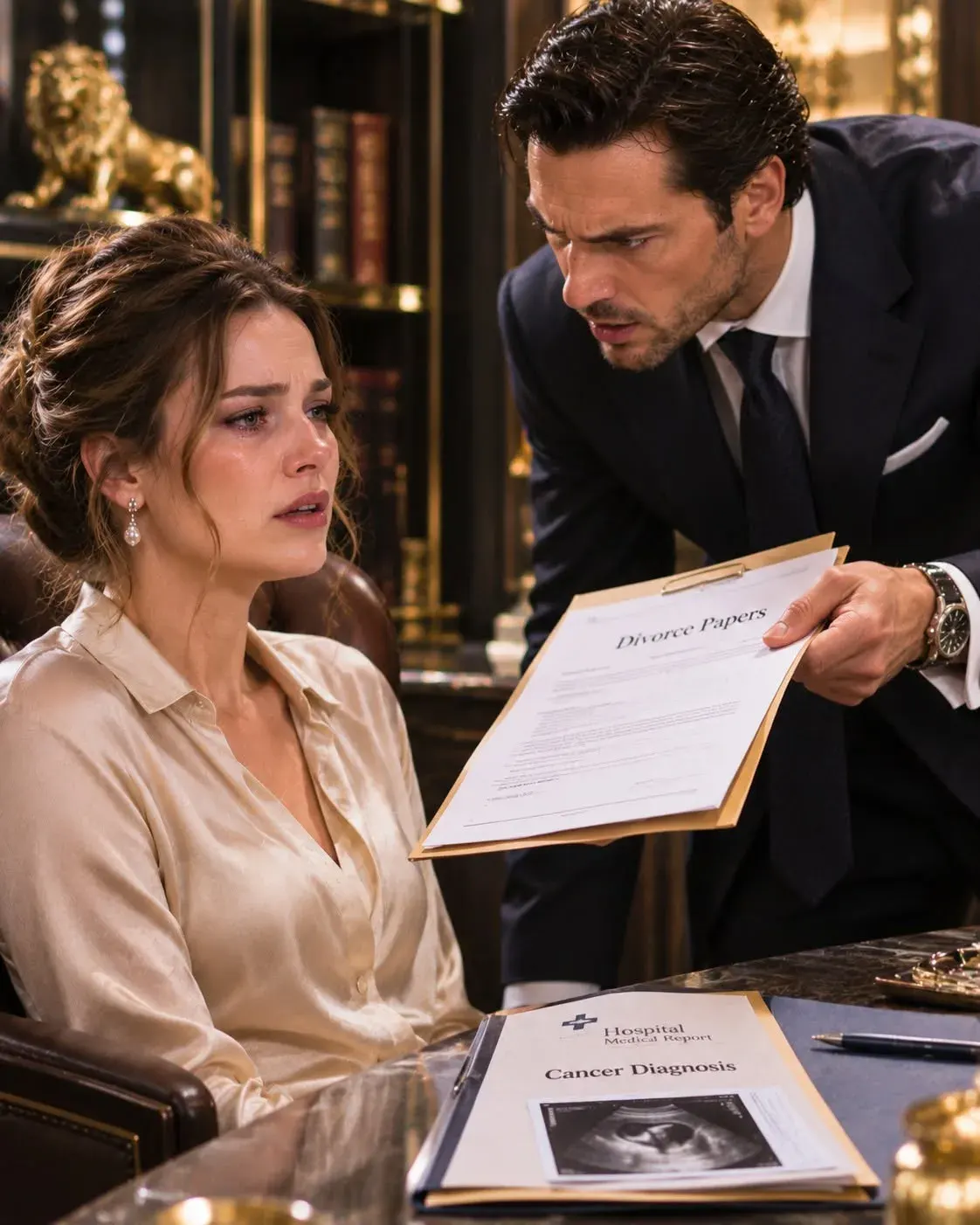
The only sound in the room was the old radiator knocking under the window. My husband had finally read the deeds, and the first thing he did with them was try to bury me under my own name.
"That's absurd," Diane said sharply, but Agent Hurst held up a hand.
"Maybe it is," she said, not unkindly. "But every property in this case belongs to a trust that answers to you, Mrs. Costello, and juries understand deeds a lot better than they understand marriages."
Diane brought in a criminal defense attorney that same night, a soft-spoken former prosecutor named Raymond Oduya, who read the deeds, listened for two hours without interrupting, and then asked exactly one question. "Who kept the books?"
Maggie Doyle raised her hand like a schoolgirl.
For three days, she sat at my father's dining room table in her reading glasses, surrounded by thirty-five years of green ledgers, while Raymond's paralegals photographed every page. Maggie had recorded each rent payment from Costello Hospitality Group to the trust—date, amount, check number, and issuing bank—in the same tidy handwriting she had used since 1989.
Not a single dollar had ever moved the other way. The trust had collected rent like any landlord in Chicago, and it had never sent Nathaniel's organization a dime, a favor, or an instruction.
"Your father was a careful man," Raymond said, closing the last ledger. "He built a wall between you and everything that happened inside those buildings, and Mrs. Doyle wrote down every brick."
There was more. Every lease Nate had signed forbade illegal activity on the premises, and the key-card system at Wacker Drive, which Owen's company maintained, showed I had never once entered that building before New Year's Eve.
My hospital records showed exactly where I had spent late November and most of December—in a bed on the fourteenth floor with a tube in my chest. Raymond laid them on the table beside Maggie's ledgers like a winning hand of cards.
The interview took place on a Tuesday morning in a federal building in the Loop, two days after my first round of consolidation chemotherapy. I wore my knit cap and my father's pearls, and I answered Agent Hurst's questions for three straight hours, pausing only once to be sick into a wastebasket that Raymond held for me without blinking.
When it was over, Agent Hurst walked me to the elevator herself. "I've been doing this for twenty-two years," she told me. "I've never met a crime boss who keeps her chemo schedule in her purse."
Two weeks later, the prosecutors informed Raymond in writing that I was not a subject of their investigation. Instead, Nathaniel's lies to federal agents were added to the list of charges against him.
The consolidation rounds were easier than induction, but only the way a cold river is easier than a frozen one. Each cycle meant five days of infusions followed by weeks of hiding from every cough and sneeze while my counts sank and rose again, and Owen learned to read my blood work better than I could.
He drove me to every appointment, exactly as he had promised in the Brass Harp, and sat in the waiting room with his laptop answering emails about leaking roofs. On the bad nights, he slept in my father's recliner, and on the good ones, he taught me cribbage at the kitchen table and lost on purpose so badly that I always caught him.
By the end of February, Nathaniel's organization had moved out of every building my father left me. The Goose Island warehouses stood empty and echoing, and Owen's crew went through them one floor at a time, tearing out the past and letting in the light.
On the first Sunday in March, snow was falling over Hoyne Avenue when someone knocked on my father's front door. Owen was at a job site and Maggie had gone to Mass, so I answered it myself with a blanket around my shoulders.
Nathaniel Costello stood on the porch with no bodyguard, no car idling at the curb, and no Vivian. He was out on bail in a wrinkled overcoat, his slicked-back hair grown shaggy, and the silver watch was gone from his wrist.
"Hello, Serena," he said, in a voice so small I barely recognized it. "I need your help."