05 / 10
Chapter 5: The Woman From Adult Protective Services
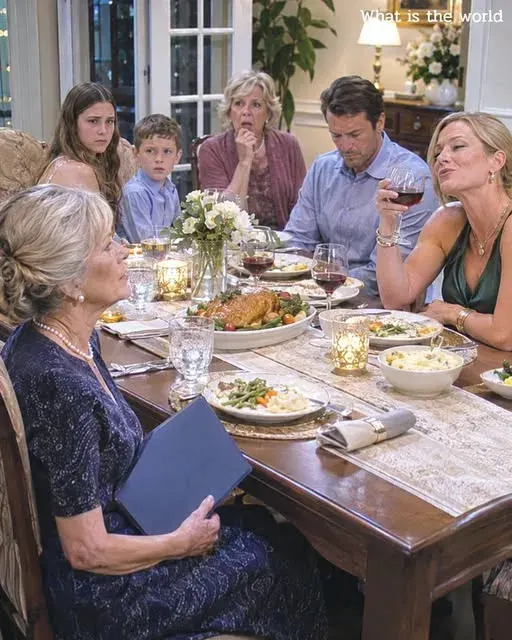
Melinda's next move came on Monday, and it was smarter and crueler than anything she had done yet.
She posted on Facebook.
It was a long post, carefully written, with a soft-focus photo of Lily and Jackson hugging me at Christmas. Melinda wrote about how heartbreaking it was to watch someone you love change. How her mother-in-law had become paranoid and confused, accusing family members of terrible things. How a "manipulative lawyer" had gotten his hooks into a lonely widow and convinced her to sign over her house. How she and Connor had moved out with the children "for their emotional safety," and how they were praying the courts would protect Grandma from the people taking advantage of her.
Two hundred and forty people reacted with crying faces and hearts. Women from my own church commented, So sorry, Melinda. Dementia is such a cruel disease. Praying for your family.
My friend Marjorie from the library called to ask, very gently, whether I had seen a doctor lately.
That Sunday, I went to church anyway. I sat in the same pew I had sat in for thirty years, fourth from the front on the left, under the stained-glass window of the loaves and fishes. I felt the whispers before I heard them. Two women I had taught Sunday school with stopped talking when I passed. The pastor's wife squeezed my hand a little too long and asked, in the slow, careful voice people use with toddlers, whether someone had driven me.
"I drove myself, Carol," I said. "The same way I've driven myself for fifty years."
After the service, a man I barely knew, a deacon's son with a real estate license, pressed a business card into my palm and told me that if I ever wanted to "simplify," he could get me a very fair price for a house my size, no stress, no fuss. Melinda had been busy.
I went home and sat in Thomas's reading chair in the attic, the only place in the house that still smelled faintly of his pipe tobacco, and I let myself feel how lonely it is to be told you're losing your mind by people who've already decided they'd like your house.
Then I went downstairs, made a pot of coffee, and called Harold to ask what came next.
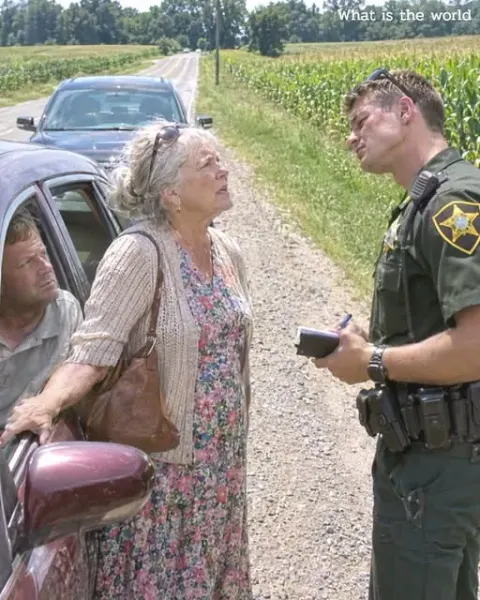
On Wednesday morning, a woman named Denise Okoro from Richmond Adult Protective Services knocked on my front door. She was polite and tired-looking and carried a canvas bag full of files.
I let her in. I made her coffee. I answered every question she asked.
What day was it? Wednesday, October sixteenth. Who was the president? I told her, and added an opinion she didn't ask for, which made her laugh. Could I tell her about my finances? I pulled out my checkbook, my bank statements, my pension letter from Richmond Public Schools, and the blue folder from Harold. Could I explain the trust?
I explained it. Then I explained the home equity line, and the power of attorney, and the loan officer from the book club, and the will that couldn't legally do what it claimed to do.
Denise Okoro stopped writing halfway through and simply listened.
"Mrs. Hayes," she said when I finished, "I'm required to recommend a formal capacity evaluation because a petition has been filed. But I want to say something off the record." She closed her notebook. "I do this job forty hours a week. I've seen exploitation more times than I can count. It almost always looks exactly like this—a family member with access, a sudden emergency, a story about Grandma being confused." She stood up. "Usually it's Grandma who's being exploited. Not the other way around."
The evaluation was scheduled for the following Tuesday with a geriatric psychiatrist named Dr. Anita Shah at VCU Medical Center.
That night, my phone buzzed at eleven-forty. An unknown number. A text.
Grandma it's Lily. This is my friend Ava's phone. Mom took mine. Can you call me tomorrow at 3:15 when I get off the bus? I need to tell you something about Grandpa's letters.