05 / 10
Chapter 5: Petition For Guardianship
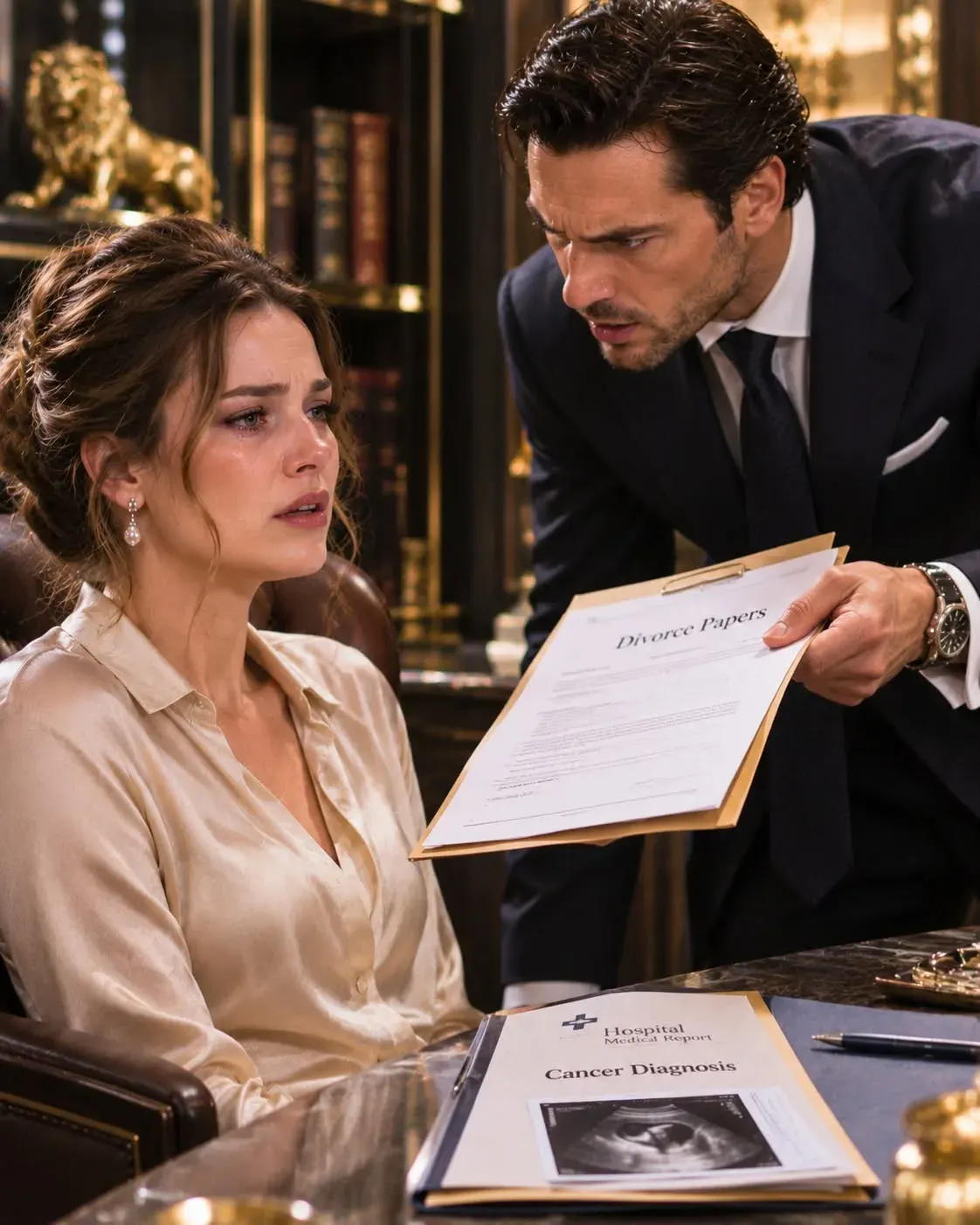
The petition was filed by Preston Kingsley, a silver-tongued litigator from a forty-story firm on Wacker Drive who billed more per hour than Ellen used to earn in a week. His star exhibit was a two-page report by a Dr. Alan Brandt, who declared Serena "cognitively compromised and unfit to direct her financial or medical affairs."
Dr. Brandt had never been in the same room with her. He had reviewed a single nursing note from her ninth night, when a sedating anti-nausea drug had left her confused for a few hours and calling out for her father.
"Somebody copied her chart," Celeste said grimly, spreading the papers across her conference table. "I'll find out who, but that's not our problem today."
"What is?" I asked.
"I handle divorces," she said. "This is guardianship, and Kingsley has done fifty of these—Serena needs someone who lives and breathes this law, and the best one in Cook County works at Prairie Street Legal Aid for sixty thousand dollars a year."
She slid a business card across the table, and I didn't have to read it. I knew the name.
That night, I sat in my car outside my condominium for twenty minutes before I dialed. Hannah answered on the fifth ring, and the first thing she said in three years was, "Is somebody dead?"
"Not yet," I said. "But a woman with leukemia is about to lose everything, and I need your help."
We met the next morning at a diner on Ashland Avenue, the kind with laminated menus and coffee that tastes like the pot. Hannah was twenty-nine now, with her mother's dark curls and my habit of pushing her glasses up her nose when she was angry, and she sat across the booth from me like opposing counsel.
The last time we had spoken, three years earlier, she was standing on the courthouse steps after I won an acquittal for a Costello collector who had terrorized one of her clients, an elderly woman who ran a laundromat on Cermak Road. "You're very good at your job," Hannah had told me then, and it had not been a compliment.
I told her everything—Declan, the trust, the memo, the petition. She listened without interrupting, the way her mother used to, and when I finished, she was quiet for so long that the waitress refilled our cups twice.
"You worked for the man who's doing this," she said finally.
"Yes," I said.
"And now you want me to clean up the mess."
"No," I said. "I want you to win."
She pulled the petition across the table and read it, and I watched her jaw tighten at the second page. "A psychiatrist who never met the respondent, a single nursing note, and no independent evaluation," she said. "Kingsley's getting lazy."
"Will you take it?" I asked.
Hannah set a five-dollar bill on the table for her coffee before I could reach for my wallet. "I'll take it for her," she said, standing up and buttoning her coat. "Not for you."
She didn't call me Dad. She didn't call me anything.
That afternoon, Hannah went to meet her new client at the hospital, and the two of them talked for an hour with the door closed while I was sent out for coffee twice. When I came back the second time, they were laughing about something, and both of them stopped the moment I walked in.
The hearing was set for the third week of April, and for the next two weeks, Hannah and Celeste turned Celeste's conference room into a war room. Hannah drafted motions until two in the morning, and twice I caught her reading my old trust agreement with a frown that looked a great deal like grudging respect. I gave them everything I had—copies of every deed, the trust agreement, the prenup, and a photocopy of the memo, which Hannah labeled Exhibit Twelve in red marker.
"I'll need the original," she said. "Kingsley will scream forgery the second he sees a copy."
"It's in my safe," I told her. "I'll bring it tomorrow."
I went back to my office on LaSalle Street at ten o'clock that night to get it. The lights in the hallway were on when they should have been off, and the frosted glass on my door had a neat, fist-sized hole punched through it beside the lock.
Inside, my desk drawers had been pulled out and dumped, and the door of my safe hung open. The blue folder was gone—and with it, the only original page I knew of bearing Nathaniel Costello's signature beside the word Acknowledged.