03 / 10
Chapter 3: The Boy With The Friday Bag
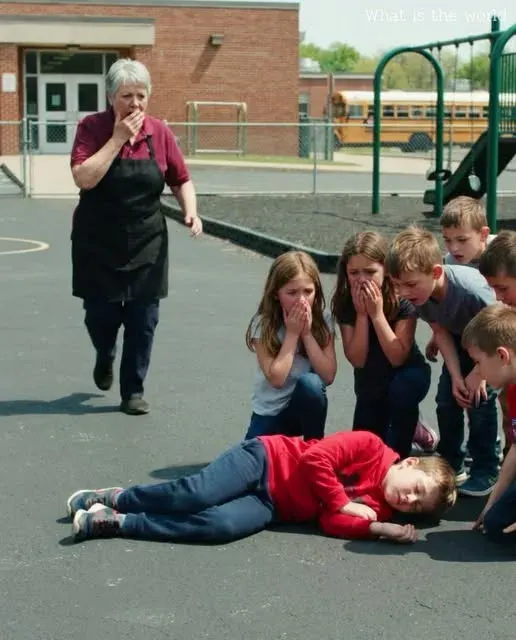
Twenty-two years ago, I was thirty-nine years old and brand new in the Lincoln Elementary cafeteria. Back then, every child got a hot lunch, debt or no debt, and our cafeteria manager was a big, laughing woman named Opal Mercer who called every kid "baby" and slipped extra cookies to anyone who looked sad.
Danny Quincy came through my line on my very first day.
He was eight. Tall for his age and bone thin, with dark hair that looked like he cut it himself, which he did. He wore a red sweatshirt with a broken zipper every day that winter. He ate his breakfast in about forty seconds and then lingered near the end of the line, not asking for anything, just watching the leftover trays.
By the second week, I noticed that on Mondays he was shaky and pale and couldn't sit still, and by Friday he was almost normal. I didn't need anybody to explain that to me. On weekends, Danny Quincy didn't eat.
His mother, I learned from Opal, was sick in the way a lot of people on the east side were sick back then. She'd been a nurse's aide once. Now she was mostly gone—days at a time, sometimes. There was no father anyone knew of. Danny took care of himself.
One Friday in October, I packed a brown grocery bag at home. Peanut butter, bread, two cans of SpaghettiOs with pull-tab lids so he wouldn't need a can opener, a box of cereal, apples, a sleeve of crackers, a jar of applesauce. I put it in my locker. At the end of the day, I caught him by the side door before the buses came.
"I made too much grocery shopping," I said, which was the worst lie anybody ever told. "Can you help me out and take this home?"
He looked at the bag. He looked at me. He didn't say anything at all, and then he took it and ran for his bus.
The next Monday, he wasn't shaky.
I did it every Friday for almost three years. Walt helped. He'd go to the Kroger on Sundays with a list and come home with a separate bag he called "the kid's groceries." We never met Danny's mother. We never asked. We just made sure there was food.
Danny never thanked me with words. But he started calling me Mrs. K, which no one else did. And on the last day of second grade, he left a drawing on my serving counter: a lunch lady with gray hair—I didn't have gray hair yet, but I guess he could see the future—handing a tray to a boy in a red sweatshirt. Underneath, in careful crooked letters, he'd written THANK YOU MRS K FOR THE FRIDAY BAG.
I still have it. It's framed in my hallway at home, next to my wedding picture.
The scar happened in third grade. He was reaching across the counter for an extra milk and slipped on a wet spot and caught his chin on the stainless-steel edge. I held a paper towel on it in the nurse's office while he tried very hard not to cry, and I told him it would make him look tough, like a pirate.
"Pirates don't eat SpaghettiOs," he said, and I laughed so hard the nurse made me go out in the hall.
In the spring of fourth grade, Danny stopped coming to school.
Opal found out from a caseworker that his mother had been arrested, and Danny had been placed in foster care, out of county. Columbus, someone said. Nobody could tell me more. I called Children Services twice and got nowhere, because I wasn't family and I wasn't anybody.
For twenty-two years, I wondered. Every time a skinny kid in a too-big sweatshirt came through my line, I thought about Danny Quincy and hoped somebody was packing his Friday bag.
So when that man in the expensive suit stood over me on the blacktop and whispered "Mrs. K," I felt like the ground had opened.
Because the little boy I had fed for three years had grown up and come back to the very same school.
And dumped a hungry child's lunch into the trash.


