07 / 10
Chapter 7: What Emma Already Knew
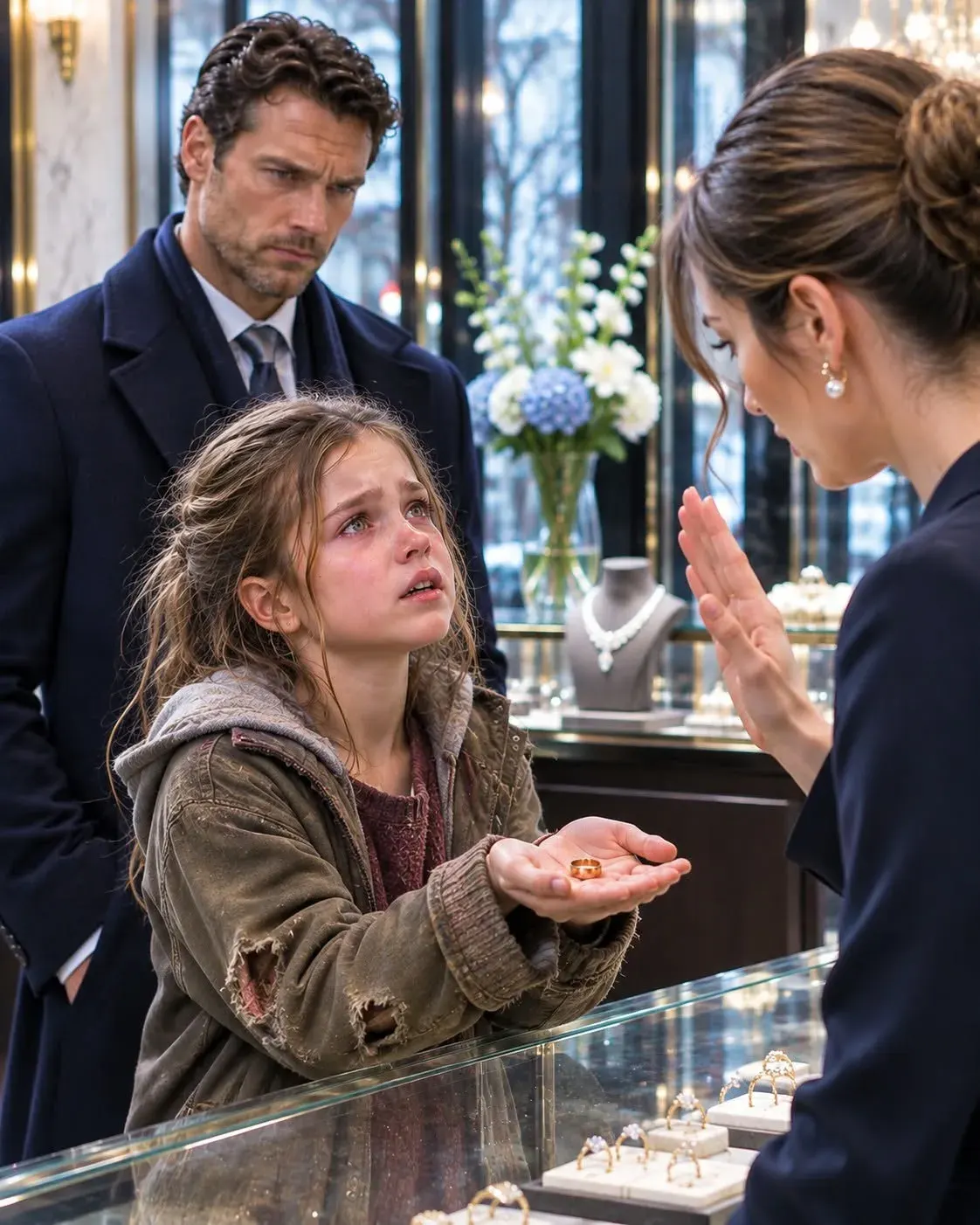
I looked at that drawing for so long that Emma started to look worried.
"That's an important question," I said at last, crouching in front of her chair. "And I think your mom should be the one who answers it—so let's make sure she wakes up, and then we'll ask her together."
Emma weighed this the way she weighed everything, with her whole face. "Okay," she said. "But I'm pretty sure."
Claire woke in the cardiac unit that afternoon, groggy and pale, with a bandage down the center of her chest and a dozen wires running to the monitors. The first thing she did was ask for Emma, and the second was to look at me sitting in the corner with nine envelopes in my lap.
She recognized them instantly. I watched it happen—the confusion first, then the horror, and then a slow, terrible understanding.
"You never got them," she said, her voice a dry rasp.
"Not one," I said, pulling my chair to her bedside. "My mother kept them in a locked drawer in her library, tied with a ribbon, for nine years."
Claire began to cry, and it wasn't the kind of crying that comes from pain. It was the kind that comes from setting down something heavy you've carried so long you forgot it wasn't part of you.
"Every March, I mailed one," she said, her fingers tight around mine. "And every March, I told myself you read it and decided not to answer."
"I read all nine last night," I said. "In my car, at the end of my mother's driveway, in the snow."
Her eyes searched mine. "Even the last one?"
"Especially the last one," I said. "And I came, Claire—it just took ten years for the mail to reach me."
She laughed through her tears and then winced, pressing a hand to her bandaged chest. "Don't make me laugh, Danny," she gasped. "They just cut me in half."
I hadn't heard her say Danny out loud in ten years, so I looked down at our joined hands for a moment.
Emma came in an hour later with Mrs. Whitaker, carrying a bouquet of grocery-store carnations she had picked out herself. She climbed onto the edge of the bed with great care, kissed her mother's cheek, and then looked from Claire to me with the solemn patience of a judge.
Claire took a slow breath. "Em," she said, "you know how I told you the man who gave me that ring broke my heart?"
Emma nodded.
"I was wrong, sweetheart," Claire said, her voice trembling. "Somebody else broke it and made it look like it was him—and he's been looking for us for a very long time."
She reached out and squeezed my hand. "This is your dad."
Emma didn't gasp or cry. She simply turned to me, nodded once, and said, "I know—I figured it out from the hair."
Mrs. Whitaker laughed so hard she had to sit down. Then Emma leaned across the bed and hugged me around the neck, hard and fierce, and I held my daughter for the first time in her life.
Claire insisted on a DNA test anyway. "Not for me, and not for you," she said firmly. "For her—so nobody can ever take this away from her again."
I agreed, though I didn't need it. I had seen the cowlick, and the left hand, and the way she hummed.
For two days, after they moved her back upstairs, the world shrank to Room 412—Emma doing homework on the windowsill, Claire sleeping and waking and getting stronger by the hour, and me bringing soup from the Copper Kettle, which, by some miracle, still made the same tomato bisque. Claire took one spoonful and closed her eyes. "You remembered," she said.
On Monday morning, a man in a gray suit appeared at the nurses' station asking for Claire Brooks. He handed me a thick envelope when I intercepted him, with the name of my mother's law firm embossed in the corner.
Inside was a settlement offer of two hundred and fifty thousand dollars in exchange for a nondisclosure agreement, a formal demand for court-ordered paternity testing, and a final page that made my blood run cold. It stated that the company possessed security footage of Claire's daughter attempting to sell stolen property, and that the matter would be referred to child protective services unless the agreement was signed within forty-eight hours.
Then my phone buzzed with an email from Joyce, marked urgent. My mother hadn't resigned—she had called an emergency meeting of the board for Wednesday morning to remove me as chief executive.